
Explore the best hypoallergenic cat breeds for allergies. If you’re an allergy sufferer but would love to share your home with a feline friend, you’re in luck! Allergies can make pet ownership challenging, but certain cat breeds produce fewer allergens, making them a better choice for you and your family.
In this friendly guide, we’ll highlight the best hypoallergenic cat breeds, their characteristics, and tips for making your home as comfortable as possible if you’re sensitive to allergens.
Table of Contents
Understanding Hypoallergenic Cats
How Allergies Work
When you come into contact with allergens, your immune system overreacts, which prompts those annoying allergy symptoms. You might have a runny nose, sneezing, itchy eyes, or even skin irritation. Understanding your triggers is a must.
For many, the challenge with cats lies in the Fel d 1 protein rather than the cat fur itself. It’s helpful to know that some breeds inherently produce less of this protein, making them easier for you to live with.
The Best Hypoallergenic Cat Breeds for Allergies
Here are the top hypoallergenic cat breeds, perfect for those of you who want to keep allergies at bay while enjoying the companionship of cats.
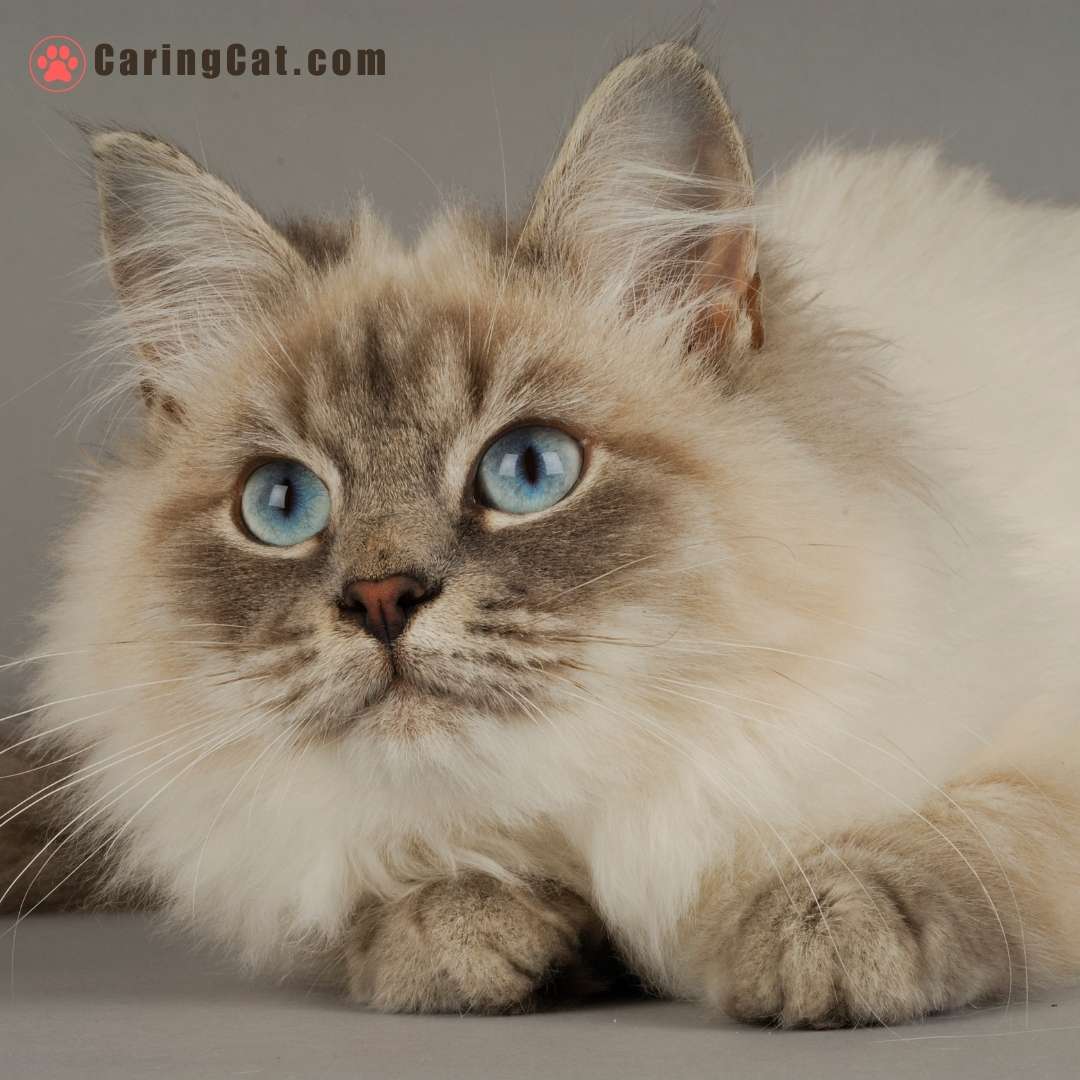
1. Siberian
Siberians are not just beautiful; they are also excellent for allergy sufferers. They tend to produce lower levels of Fel d 1 protein than other breeds.
- Personality: Playful and intelligent, they are known for their friendly nature and can easily adapt to various environments.
- Care: Regular grooming helps reduce dander, making your cleaning routine easier and more efficient.
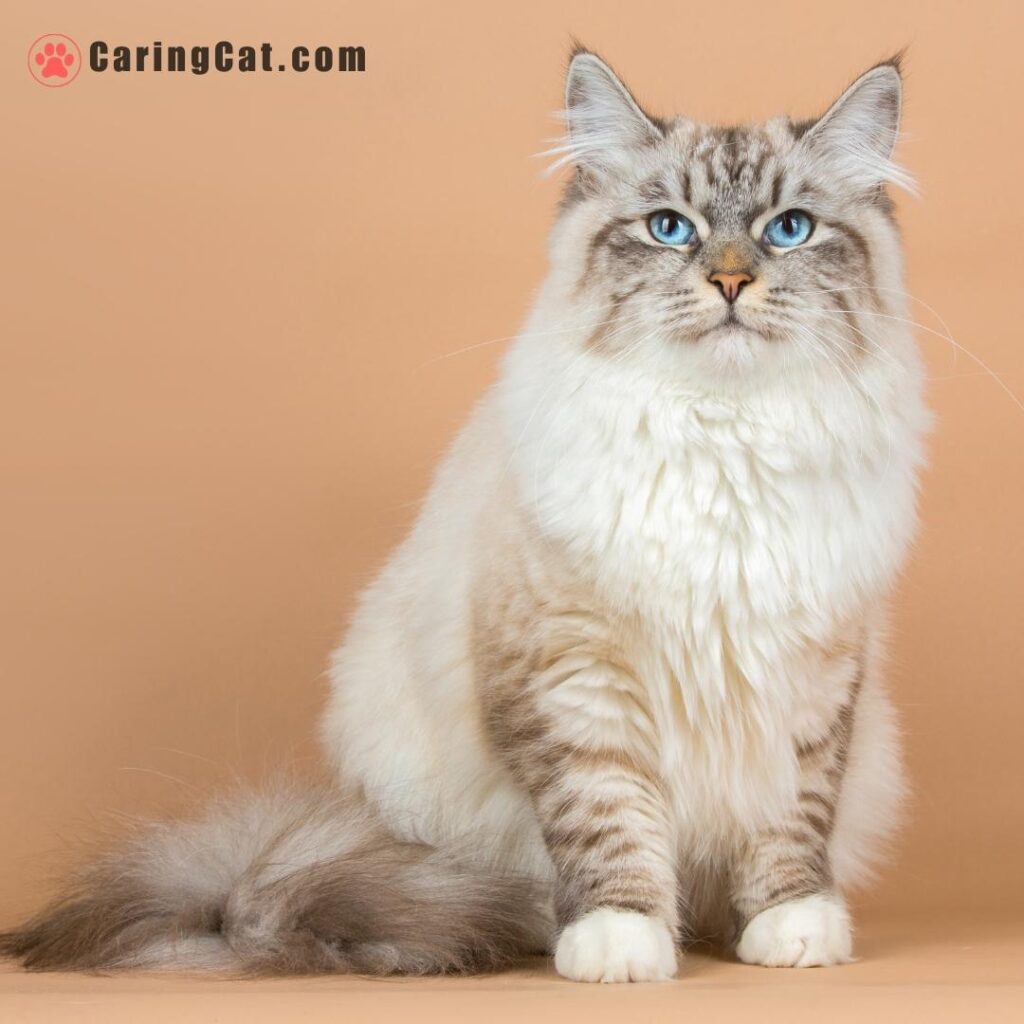
2. Balinese
Often referred to as the “long-haired Siamese,” Balinese cats are known for their luxurious coats and low allergenic properties.
- Personality: Highly social and affectionate, these cats love to be around people and can even learn tricks!
- Care: Minimal grooming is required; however, regular brushing will help keep shedding to a minimum.
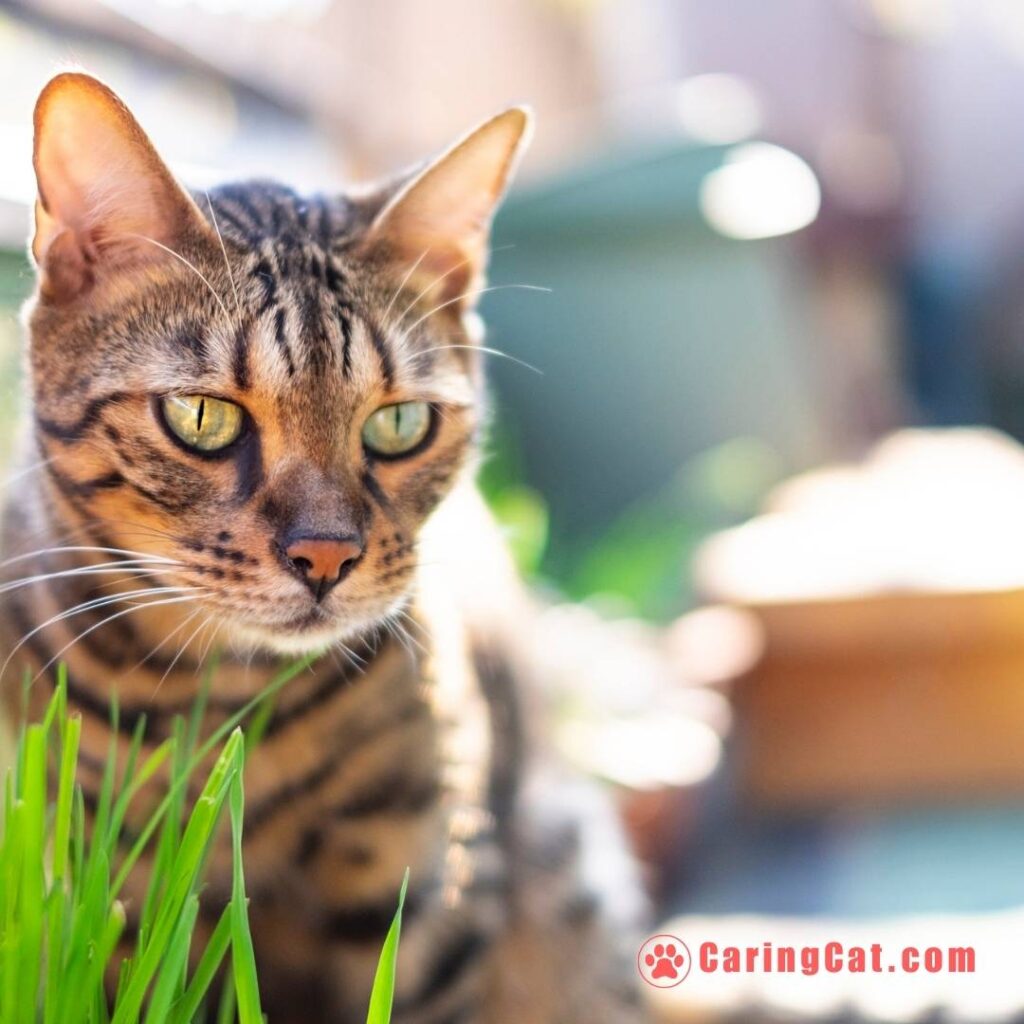
3. Bengal
Bengal cats have a stunning leopard-like appearance and an energetic personality that keeps things lively.
- Personality: Active and intelligent, Bengals require lots of playtime, making them perfect companions for active families.
- Care: Their short coats mean less grooming and dander, which significantly benefits allergy sufferers.
4. Oriental Shorthair
These intelligent and playful cats are similar to Siamese but come in a range of colors.
- Personality: They are vocal and love to engage with their human companions, ensuring you won’t feel lonely with one around.
- Care: Due to their short hair, they don’t require much grooming, but occasional brushing will help maintain their coat.
5. Russian Blue
With their dense, plush coats and striking green eyes, Russian Blues are not only captivating to look at but also produce less Fel d 1.
- Personality: They are gentle and somewhat aloof, making them ideal for tranquil households or individuals.
- Care: Regular grooming helps to manage loose fur and dander while enhancing their beautiful coats.
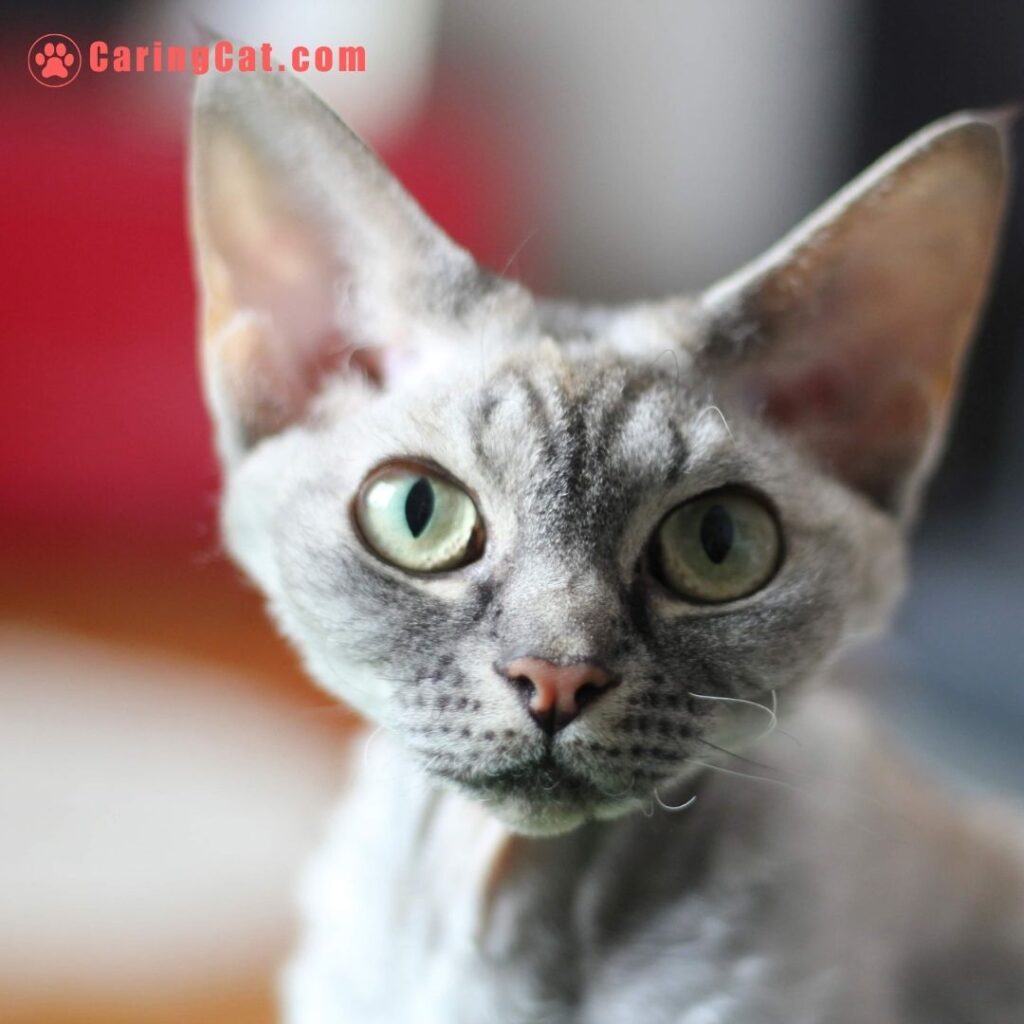
6. Devon Rex
The unique, wavy fur of the Devon Rex is what sets it apart. Their hair is shorter, which can mean less allergy-inducing dander.
- Personality: They are affectionate and playful, known for their quirky behaviors.
- Care: Minimal grooming is necessary, but regular baths can help remove excess oils that might trap allergens.
7. Cornish Rex
Similar to their Devon counterparts, Cornish Rex cats have a unique wave of fur and are incredibly low-maintenance.
- Personality: They are highly social and enjoy being involved in family activities, making them a joy to have around.
- Care: Regular bathing can significantly reduce allergens, and their short hair makes them easy to clean.
8. Javanese
Another beautiful breed with a medium-length coat that doesn’t mat easily, the Javanese cat is a joy to have.
- Personality: These cats are playful and love interacting with people and other pets.
- Care: They do require regular grooming due to their longer hair, but it can be enjoyable if you make it a bonding experience.
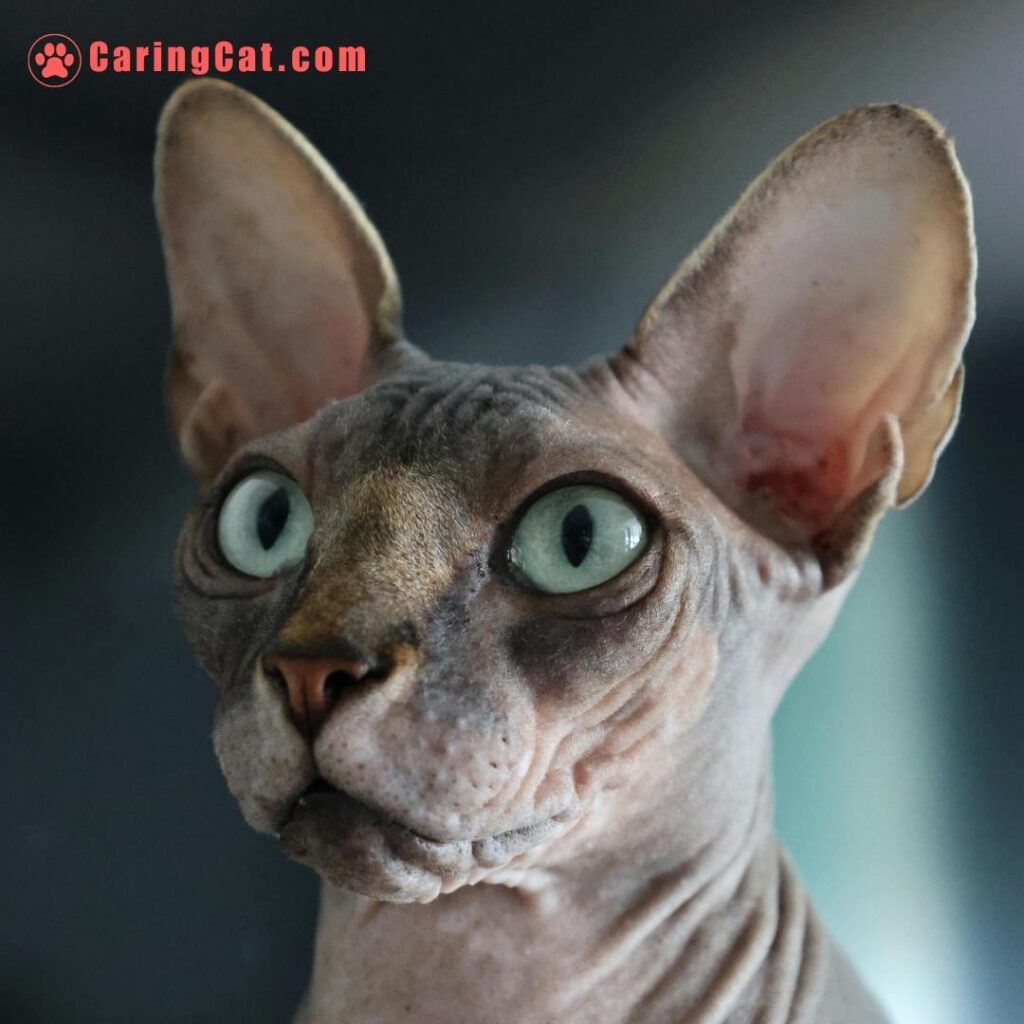
9. Sphynx
The Sphynx is famous for being hairless, which may sound perfect for allergy sufferers, but they do require specific care.
- Personality: They are incredibly affectionate and playful, thriving on human interaction.
- Care: Despite being hairless, Sphynx cats need regular baths to remove skin oils and dander buildup.
10. LaPerm
With its curly, hypoallergenic coat, the LaPerm is another breed that produces lower Fel d 1 levels.
- Personality: They are loving and sweet, often forming strong bonds with their owners.
- Care: Their curls can collect dander; however, regular grooming keeps them looking and feeling their best.
Tips for Living with Cats and Allergies
Even with hypoallergenic breeds, there are some practical steps you can take to minimize allergy symptoms:
Regular Grooming
Ensuring your cat is groomed regularly can significantly reduce shedding and dander in your home. If you’re comfortable, you might consider becoming the main groomer, as this can be a way for you to bond with your furry friend.
Create Allergen-Free Zones
Establish specific areas in your home where your cat will not be allowed. This could be your bedroom or office, and it helps create safe spaces where you can retreat when your allergies act up.
Use Air Purifiers
Investing in high-quality air purifiers can help remove allergens from the air, making your environment more comfortable. Look for models specifically designed to capture pet dander.
Clean Regularly
Make cleaning a part of your routine. Regularly vacuuming, dusting surfaces, and washing bedding can help keep allergens to a minimum. Consider using a vacuum with a HEPA filter to ensure maximum allergen capture.
Manage Humidity Levels
High humidity can exacerbate allergies, so keeping the humidity levels in your home between 30-50% can make a difference. Dehumidifiers can help in regions prone to high humidity.
Consult with Allergists
If your allergies are severe, speaking with an allergist for tailored advice on managing your symptoms can be very beneficial. They might recommend allergy testing, medication, or other strategies to help you coexist with your feline friend comfortably.
Conclusion
Choosing the right hypoallergenic cat breed can be an excellent step toward welcoming a new furry family member into your life, especially if you deal with allergies. Remember, while no cat is entirely free of allergens, the breeds mentioned above tend to be more suitable for allergy sufferers.
With a little bit of careful consideration and planning, you’ll be on your way to creating a loving, cozy environment for both you and your new feline companion. Here’s to happy days filled with purrs and cuddles, minus the frequent sneezing!